



Future Retail Disruption: The drivers of change shaping the future of retail and e-commerce
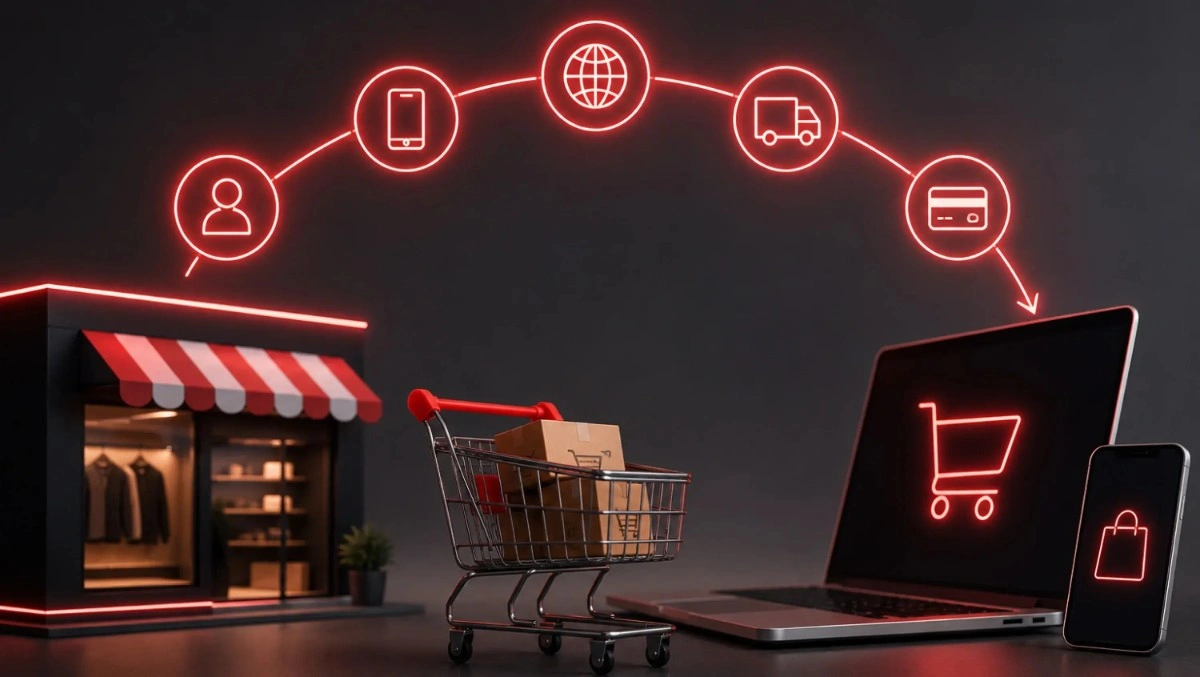
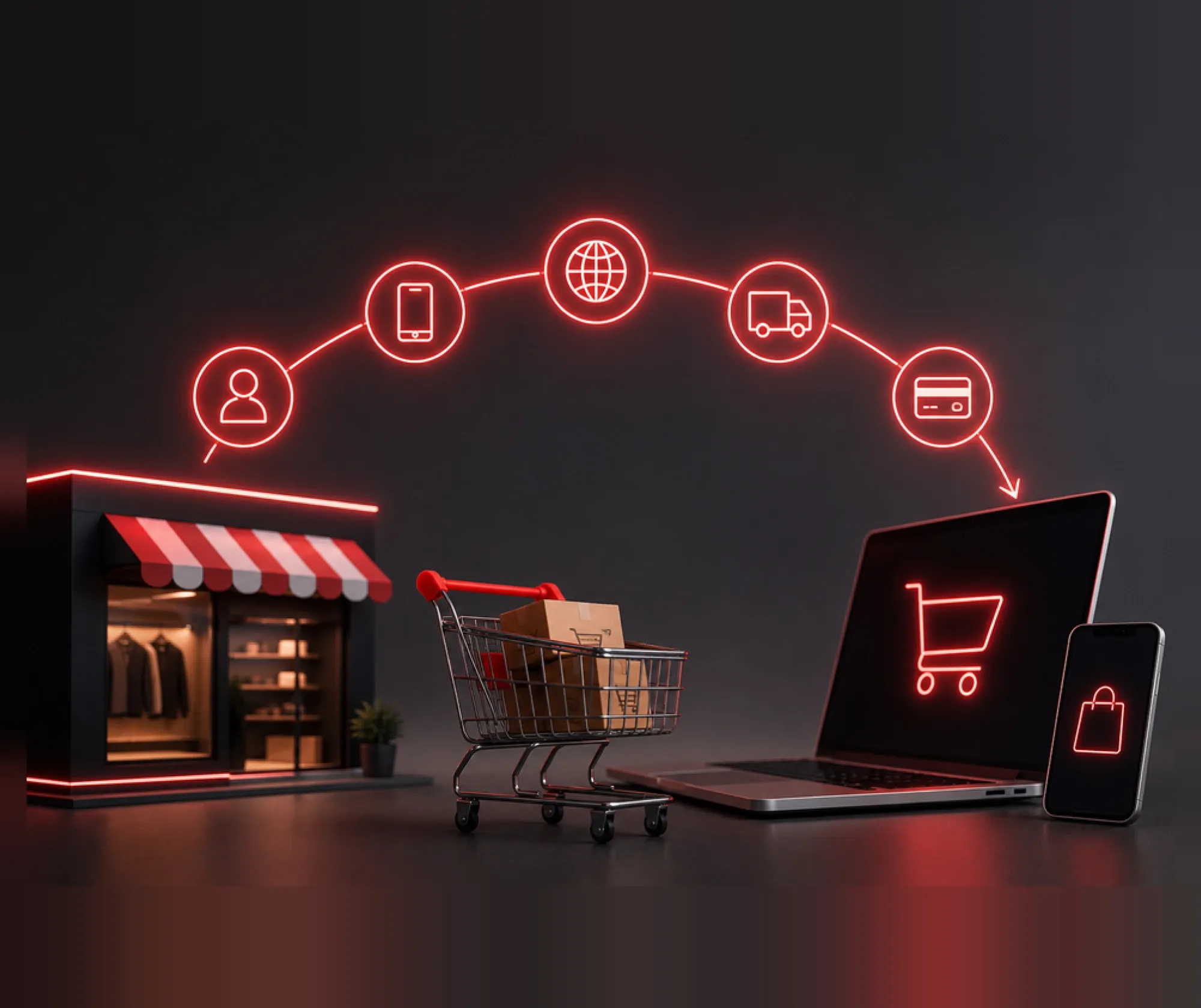
By 2026, retail will have moved past digital transformation into ongoing self-disruption. This isn’t about e-commerce fitting into brick-and-mortar stores; it’s about the complete breakdown of the traditional store and its shift to a new system.
Current retail disruption is structural. Agentic AI, shifting geopolitics in supply chains, and Omniconsumers have ended silos. Business leaders in fast-moving markets like India and the GCC must grasp these fundamentals, as gaining consumer attention is crucial for survival.
Driver 1: The Transition to Agentic Commerce
The most profound disruption of 2026 is the transition from human browsing to Agentic Commerce. According to research on the evolution of agent-led transactions, we are moving toward a future in which a significant percentage of retail transactions are executed by AI agents rather than human eyes.
The Autonomy of the Cart
In 2026, AI bots don’t just make suggestions; they implement them. These personalized bots act as the Transactional Filter, actively searching and cross-checking prices for sustainability credentials in real time.
- The Strategic Shift: Companies will have to transition from Emotional Persuasion (built for humans) to Data Integrity (built for agents). If your product information isn’t structured, machine-readable, and immediately available through an API, you’re essentially invisible to the 40 per cent of the market that shops through an AI agent.
Driver 2: The Omniconsumer and the Death of Channel Silos
Omnichannel is now an outdated concept. In 2026, it’s all about the Omniconsumer, who cannot distinguish between an application, a WhatsApp chat, a store aisle, and social media.
The Frictionless Flow
Making an order through your voice-controlled AI during your journey, checking the item’s quality by feeling it in person at a showroom, and having it delivered to your smart locker within 2 hours has become standard practice.
- The Middle East Context: In the GCC, the Omniconsumer has driven the rise of Q-Commerce (Quick Commerce, which delivers products in under an hour) for luxury items. High-end retailers are no longer just selling products; they are selling time.
- The Indian Context: In India, the convergence of UPI (Unified Payments Interface for easy digital payments) and social messaging has turned every chat window into a potential point of sale. Retailers who maintain separate Online and Offline P&Ls (Profit & Loss statements) are failing to see that the customer is now the channel.
Driver 3: Fragile Supply Chains and the Self-Healing Logistics Layer
In 2026, the world witnessed disruptions that had never occurred before in geopolitical and energy spheres. From limited air cargo capabilities in the Gulf region to worldwide shipping charges, Just-in-Time is now Just-in-Case Resilience.
The Predictive Logistics Pivot
Disruption is now a constant. Leading retailers have responded by building Self-Healing Supply Chains.
- The Tech: Using predictive AI and real-time LiDAR (Light Detection and Ranging, a sensor for mapping physical environments) tracking, logistics networks can now autonomously reroute shipments to avoid regional conflicts or energy-related port closures.
- The Economic Impact: By 2026, the focus has shifted from Cost per Mile to Risk per Route. Retailers in India and the Middle East are co-locating inventory in urban micro-fulfilment centres (MFCs) to bypass the vulnerabilities of long-haul transit.
Driver 4: The Circular Economy as a Baseline Requirement
Sustainability has moved from a Corporate Social Responsibility (CSR) checkbox to a core Regulatory and Consumer Mandate. This shift is particularly visible in the rise of Digital Product Passports (DPPs), which provide traceable product histories.
Verified Provenance and Resale
By 2026, the Circular Retail market, encompassing resale, refurbishment, and trade-ins, will have hit a tipping point.
- Digital Product Passports (DPP): Every high-value product now carries a digital identity (a secure online record of a product’s origin, materials, and ownership). Consumers (and their AI agents) scan QR codes to verify the item’s carbon footprint and ethical sourcing.
- The Shift: Brands are no longer just selling a product; they are managing a Lifecycle. Retailers like Carrefour and Reliance are increasingly offering Verified Resale as a native feature in their apps, capturing the margins from the product’s second and third lives.
Driver 5: Hyper-Personalisation at Scale (The N=1 Strategy)
In 2026, segmentation is a relic of the past. The goal is now N=1 Hyper-Personalisation, where every offer, price point, and creative asset is generated in real-time for a single individual. This is a primary focus in the latest McKinsey retail transformation reports, which highlight that retailers using AI for N=1 personalisation see a 20% increase in customer lifetime value (CLV).
The Loyalty Evolution
Loyalty programs have moved beyond points. They are now Hyper-Personalised Value Ecosystems.
- Real-World Scenario: A shopper in Riyadh receives a Heatwave Essential bundle offer not because of their demographic, but because their smart home data indicated their AC was struggling, and their previous purchases show a preference for organic cooling fabrics.
- The Technology: This is powered by First-Party Data Gold, where retailers use their in-store and digital signals (data collected directly from their customers, not from external sources) to build a moat that third-party advertisers cannot penetrate.
Conclusion: The New Retail Manifesto
The catalysts of change in 2026, Agentic AI, Omniconsumerism, logistics fragility, circular economy, and hyper-personalisation, are coming together to form a retail ecosystem that is increasingly complicated but also increasingly efficient. At NeoSOFT, we move beyond observation to engineering the enterprise response. Our Unified Data Foundations and Agentic Architecture empower global retail partners to excel in complex, dynamic environments. The future of retail is an evolving, predictive enterprise platform demanding strategic leadership and continuous innovation.