



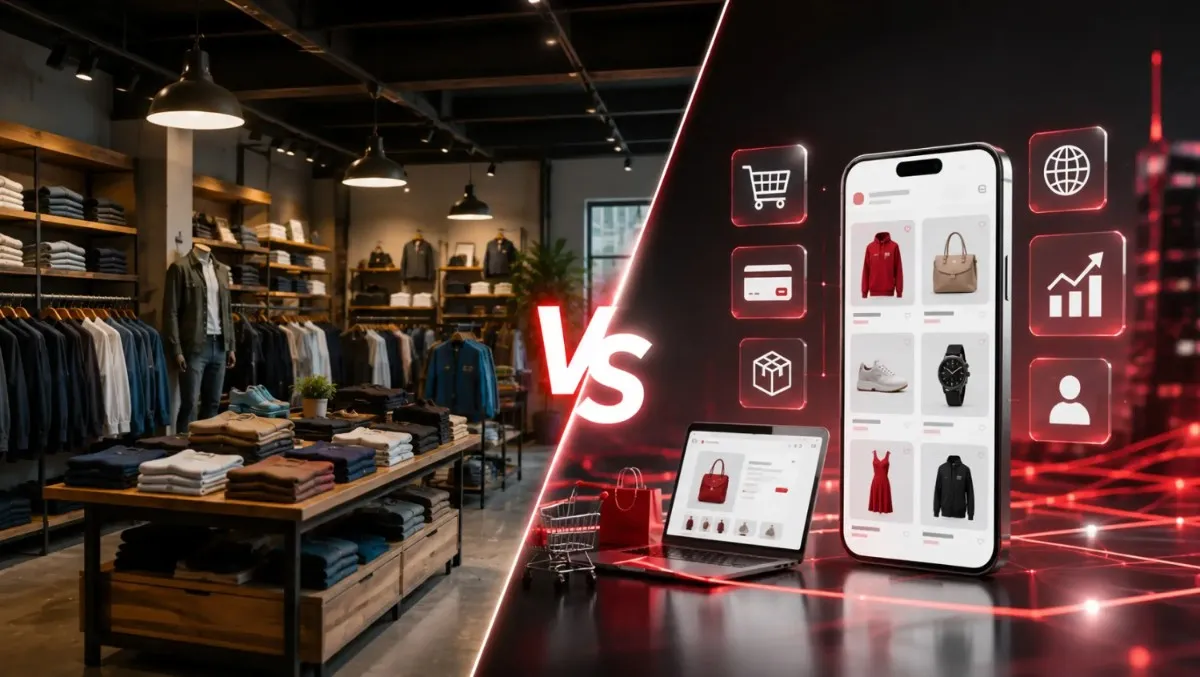
Why Old Retail Stores Fail In The Modern Digital World Today
Today’s shoppers won’t wait five seconds for a slow website to load, nor will they tolerate inaccurate store stock. Yet, thousands of traditional retail stores are trying to survive using computer systems built over a decade ago. Waiting to update store technology was a very big mistake today. Now these slow retail brands are losing money every single day.
When physical stores fail to sync real-time inventory with digital channels, customer trust disappears instantly. Legacy software simply cannot support the fast, connected experiences modern buyers demand. Upgrading your digital core is no longer just a technical choice, it is the baseline for business survival in today’s market.
The High Cost of Using Very Old Systems
Outdated retail platforms are hard to update and repair quickly. Rigid software acts like a heavy anchor on company growth. When digital updates are delayed, modern shoppers quickly leave your brand. Today’s buyers expect fast service and a seamless checkout process. Ignoring modern cloud tools leads to frequent and costly system errors.
Slow websites often crash during high-traffic holiday sales events. Outdated computer platforms fail to create smooth, multi-channel shopping experiences. Meanwhile, industry leaders use artificial intelligence to personalize every purchase. Retailers stuck with old systems remain blind to real customer needs. As a result, they lose track of what shoppers actually want to buy.
Building Fast Systems for Modern Retail Markets
Smart retail brands build powerful digital ecosystems to stay ahead. Flexible cloud platforms allow stores to scale and expand very quickly. Moving away from legacy systems gives your business true operational freedom. Using modern headless commerce technology makes online shopping exceptionally fast. Teams can update website designs without risking system crashes.
Smart computer algorithms help managers track inventory much better. Predictive software tells teams exactly how much stock to order each month. This stops stores from wasting capital on unsold products. Scalable software tools give your retail business a clear competitive advantage. Modern technology is essential for long-term survival and profitability.
Connecting Online and Offline Shopping for All Customers
Today’s buyers expect smooth shopping across every single sales channel. A customer might browse items on phones before visiting physical stores. They often prefer picking up online orders inside local retail shops. Legacy technology keeps crucial business data trapped in separate isolated places. A high-performance digital ecosystem connects every sales point into one view.
Mobile enterprise tools help store employees serve customers much faster. Smart tracking sensors monitor every single item inside your warehouse. Unified retail platforms build lasting trust with every new customer. Satisfied shoppers naturally return to buy from your brand again. Over time, happy customers significantly increase your overall Customer Lifetime Value (CLV).
Future-Proofing Your Retail Strategy for Long-Term Success
The era of relying on slow, outdated retail tools is over. Every enterprise brand must adopt a fast, modern digital system to remain relevant. You must stop paying the price for holding onto legacy technology. Digital transformation offers the clearest path toward sustainable growth and market leadership. Modern technology partners like NeoSOFT can help your business build a system designed to scale.