


Digital Twins & IIoT: Building Future-Ready Smart Manufacturing
October 8, 2026
Are unexpected machinery breakdowns, rising production costs, and product quality issues keeping your industrial factory from growing? Traditional manufacturing methods cannot keep up with changing customer needs and sudden supply chain problems today. Implementing smart manufacturing with AI-led digital engineering transforms your factory floor into a connected network that easily solves everyday operational challenges.
Understanding the Simple Shift to Smart Manufacturing
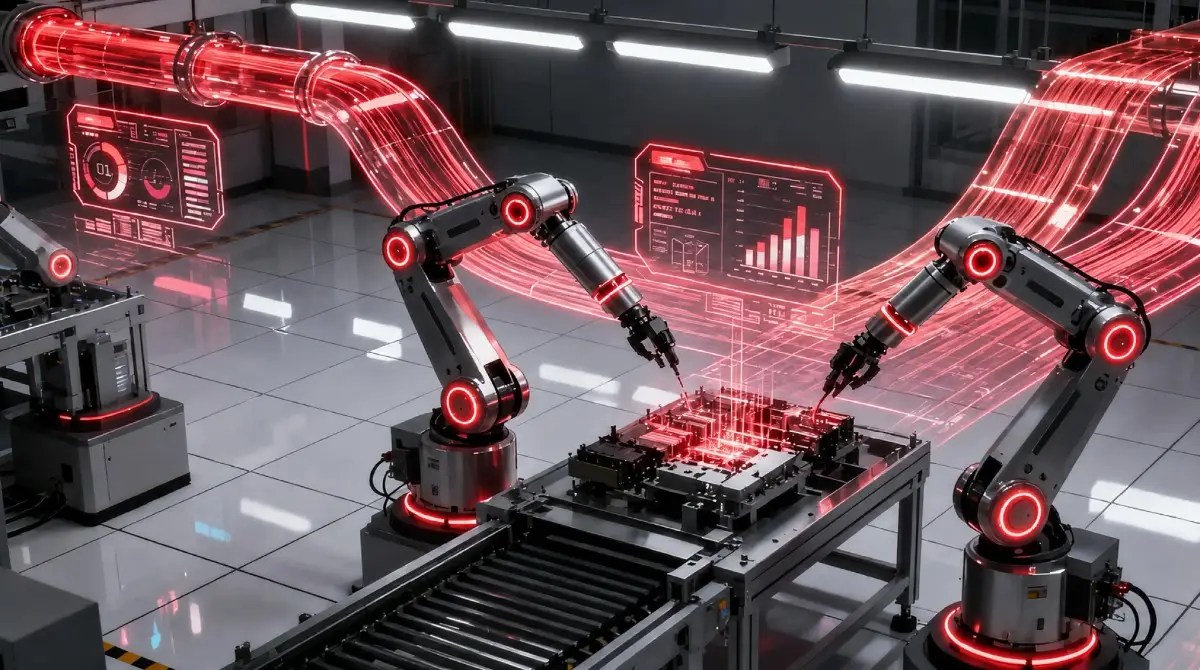
Smart manufacturing uses connected computers and digital tools to build modern production spaces cleanly. Grounded in Industry 4.0, this approach joins physical factory machinery with smart software programs daily. This smart setup boosts total operational efficiency across every single step of factory work.
Instead of depending on manual checks or fixed work schedules, connected systems analyze live data. Technology experts at NeoSOFT help companies set up these systems to run smoothly and reliably. This helps factory operations adjust automatically to sudden changes while improving overall product quality.
Core Drivers of Operational Efficiency (And How NeoSOFT Solves Them)
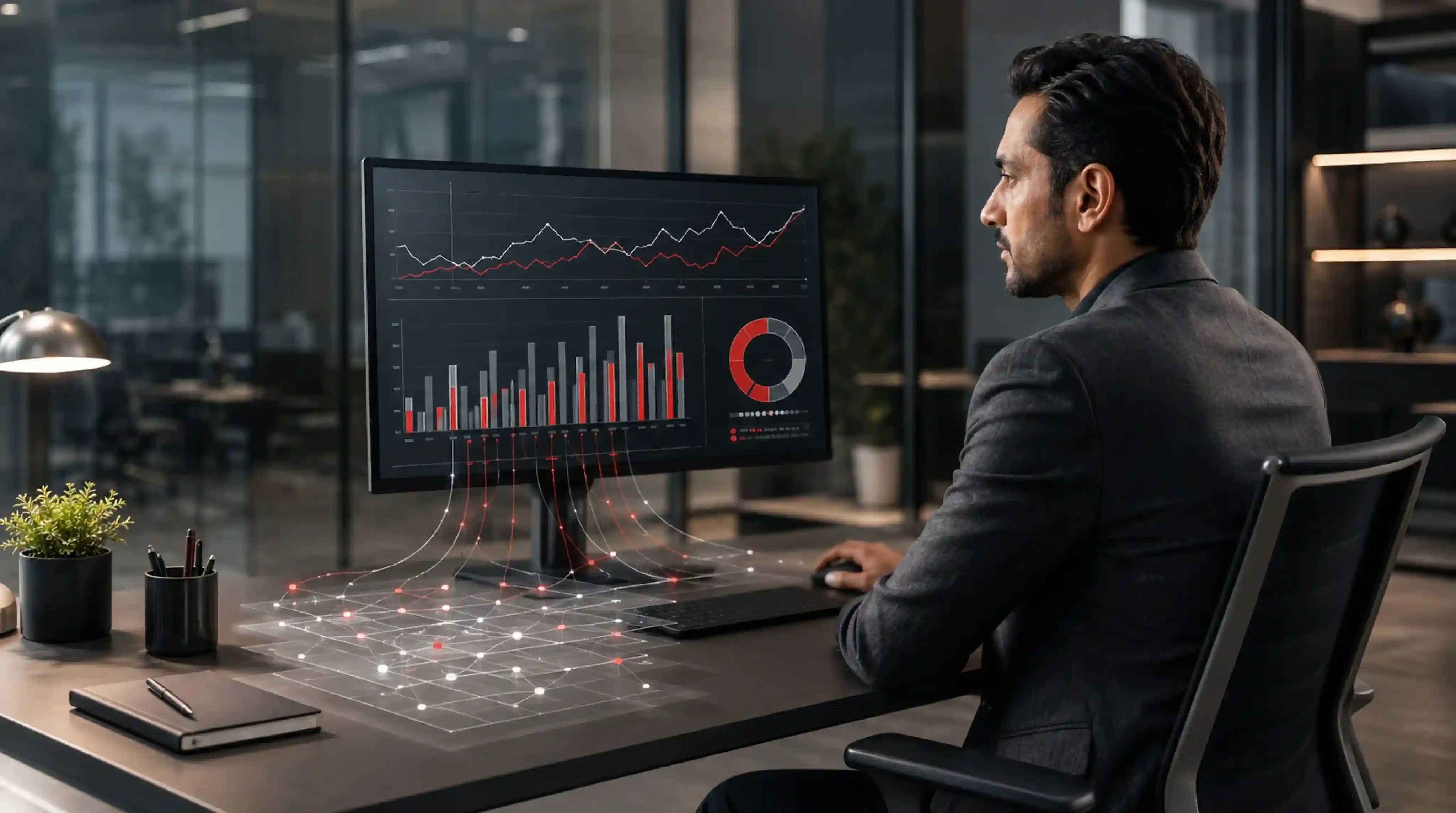
- Industrial IoT and Real-Time Data Collection: The Industrial IoT (IIoT) connects shop floor machinery and factory systems into one smooth network. IIoT devices constantly record equipment health, production speeds, and energy consumption. NeoSOFT integrates these smart sensors into legacy infrastructure, removing data silos so managers spot hidden production delays instantly.
- AI-Driven Predictive Maintenance: Sudden machine failure remains one of the most expensive problems in standard factory production setups. Using artificial intelligence (AI) and machine learning, plants change from fixing broken parts to stopping problems early. We carefully analyze mechanical wear long before equipment breaks down completely. This proactive approach prevents costly operational downtime while protecting critical manufacturing assets for years to come.
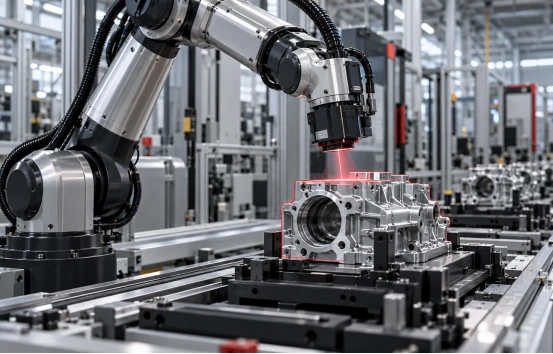
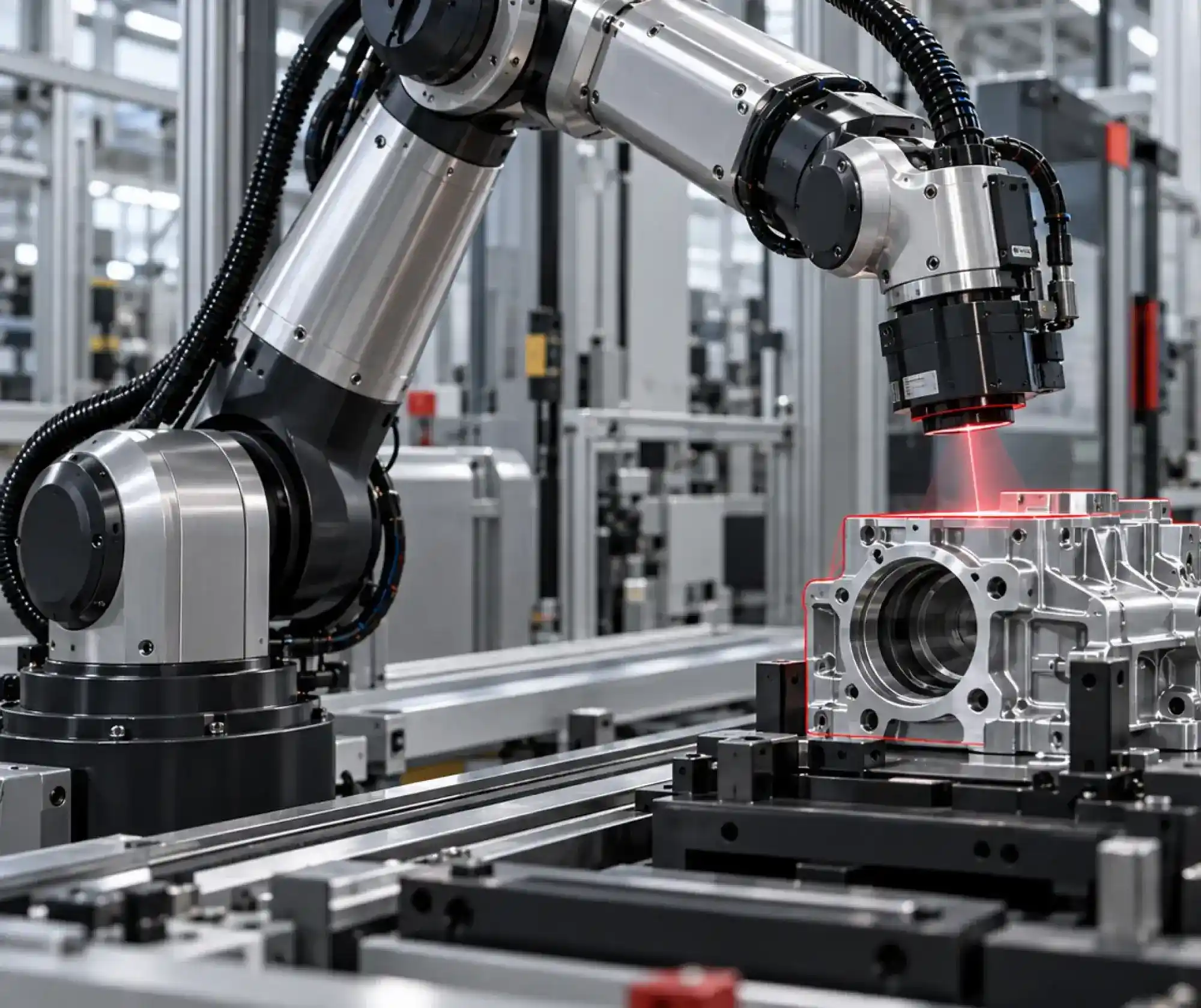
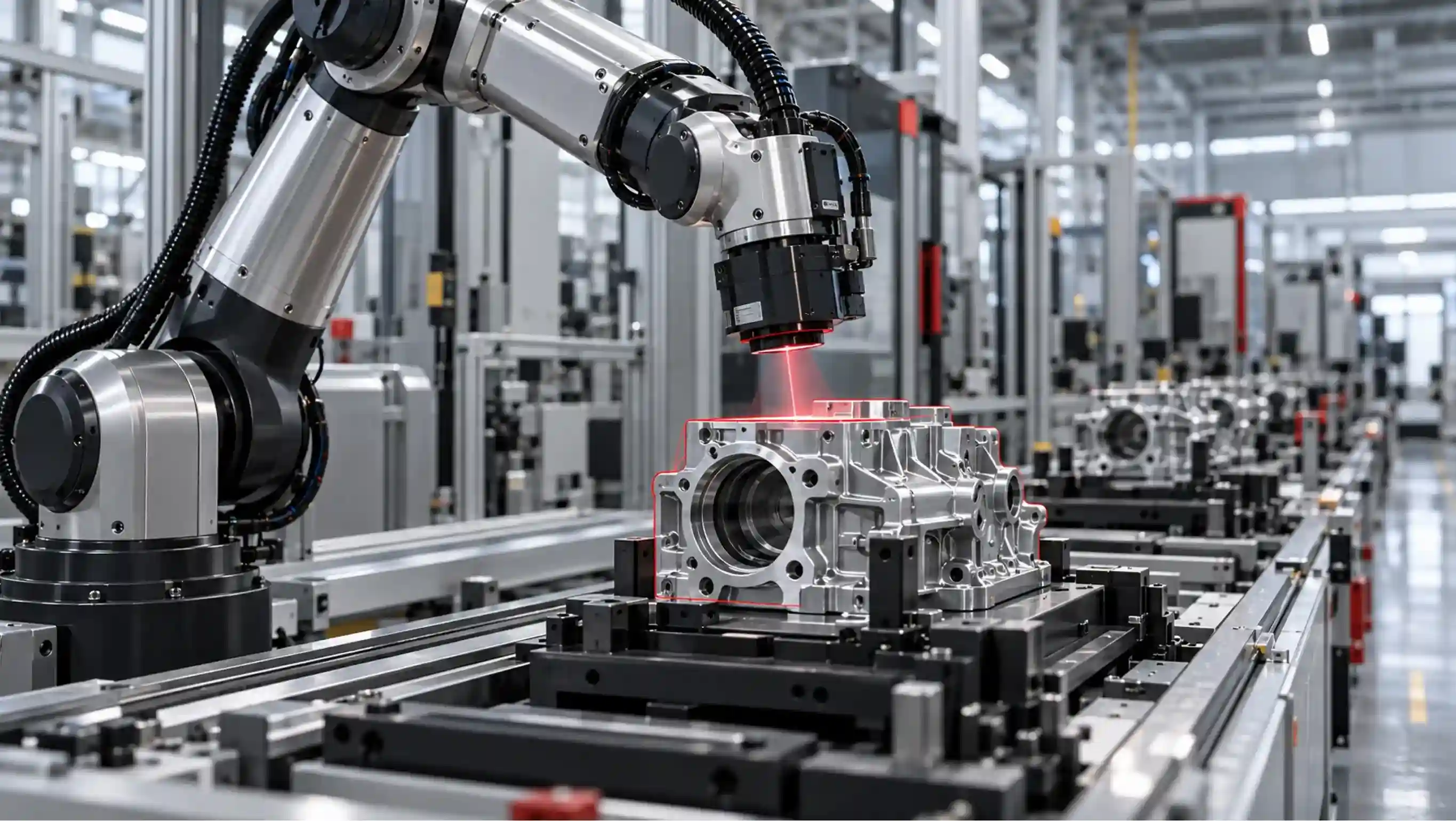
- Automated Quality Control and Scrap Reduction: Manual quality checks can be slow and often suffer from human mistake errors. Using computer vision systems and automated quality control tools allows instant flaw detection directly on active lines. NeoSOFT builds automated visual tools that catch micro-defects at high line speeds, drastically cutting material scrap.
- Digital Twin Technology for Process Optimization: A digital twin creates an exact digital copy of physical factory machinery and production lines. Operating a digital twin helps engineers test new product setups digitally without stopping real daily work. We develop these virtual models so teams safely optimize workflow efficiency and lower total energy usage.
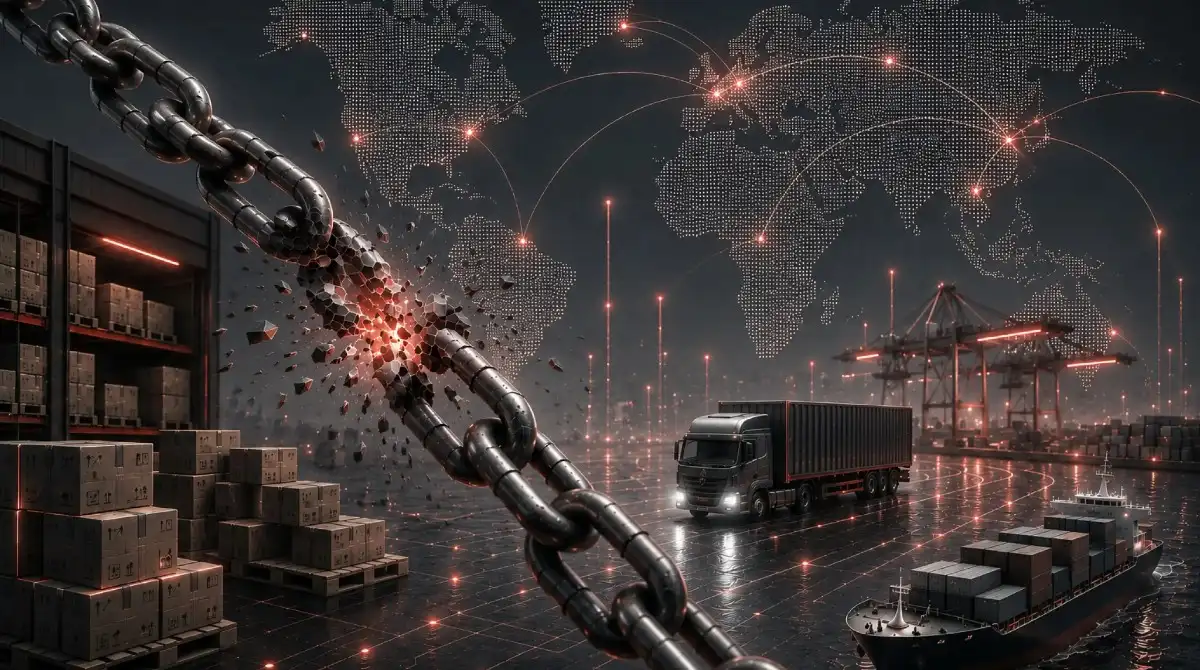
- Connected Supply Chain Visibility: Factory efficiency requires clear visibility that goes far beyond the plant floor walls. Connecting factory operations with supply chain analytics keeps inventory aligned directly with daily production speeds. NeoSOFT links plant floor data with enterprise ERP systems, avoiding stockouts and lowering excess buffer inventory.
Step-by-Step Implementation Strategy for Your Factory
- Evaluate Digital Readiness: Review current factory operations to identify disconnected machines, missing data, and common downtime causes. NeoSOFT conducts complete operational audits to spot hidden data bottlenecks across your shop floor. This detailed review builds a clear, actionable roadmap for your factory’s digital shift.
- Standardize Data Infrastructure: Build strong digital networks to connect older factory machinery with modern cloud software systems. NeoSOFT designs secure digital setups to link your legacy equipment with cloud tools smoothly. This setup ensures that your factory data flows cleanly across all active departments.
- Pilot High-Value Use Cases: Test predictive maintenance on one machine line first to prove savings before expanding everywhere. NeoSOFT helps run focused trial projects so teams validate real savings without operational risk. This careful approach builds total project confidence before rolling out tools across all lines.
- Integrate Enterprise Systems: Connect shop floor IIoT networks into business management software to balance daily planning goals. NeoSOFT links live machinery data with main enterprise tools to sync production with planning. Automated data sharing removes human errors, speeding up order delivery across the supply chain.
Modernize Production Operations with NeoSOFT
Upgrading traditional production lines into modern, data-driven systems needs experienced technical support and smart planning. NeoSOFT builds enterprise digital engineering solutions, IoT integrations, and custom AI tools that streamline operations and deliver strong ROI. Contact NeoSOFT today to review your operational readiness and build a practical roadmap for smart factory success.
Frequently Asked Questions
What is the core difference between traditional automation and smart manufacturing?
Old automation follows repetitive pre-set rules without understanding changes around the factory floor environment. Smart manufacturing uses IIoT sensors, artificial intelligence, and live data to adjust operations automatically and improve continuously.
How does smart manufacturing directly help reduce daily operational expenses?
It lowers costs by avoiding unexpected breakdowns through predictive maintenance and cutting wasted material using automated inspection tools developed by NeoSOFT.
Can modern smart manufacturing solutions integrate smoothly with older factory equipment?
Yes, attaching modern IIoT sensors to older machines lets companies collect useful data without replacing expensive existing equipment.





Recommended