

What Would You Prioritize First in a Digital Transformation Program?
October 21, 2026
Technology does not just run in the background; it is the business. This change is happening at very high speed. National plans and big money investments drive this quick shift to AI. Leaders face a challenge when deciding where to start this big change. Every single system in the company demands quick attention from top leaders.
The question is no longer whether companies should upgrade their systems. The most important question is:
What should enterprises choose to fix first?
Information is quickly becoming the main foundation for every modern company today. Smart computers are now making big business choices all by themselves daily. Strong digital security is key to building trust with customers. Great digital experiences give companies a strong edge over rivals. Tech plans must go far beyond small projects to succeed.
They need to address the enterprise as a connected system.
1. Information to Infrastructure
Data is no longer just a basic input for modern businesses. It is now essential infrastructure that companies need to scale up. Yet many companies still use fragmented data across many old systems. Information stays scattered across cloud tools business units and outside partners. This creates a big challenge for turning scattered data into reliable support.
Organizations should therefore assess:
- How data is collected, stored, integrated, and accessed
- Whether critical systems can exchange information effectively
- The quality and consistency of enterprise data
- Data governance and compliance requirements
- Whether the data foundation can support AI and advanced analytics
A strong data foundation can enable organizations to move from isolated information to connected intelligence.
2. Intelligence to Autonomy
Smart computer tools are moving far past small early testing stages today. Companies are now finding many new ways to use smart tools daily. These tools can help leaders make much better choices for their work. They can automatically run daily tasks and talk directly with your customers. They can also manage very hard and complex business steps for you. The next main goal is not just finding where to add tools. The real goal is changing how people do all their work.
Enterprises can evaluate opportunities across:
- Intelligent workflow automation
- AI-powered decision support
- Enterprise knowledge systems
- Customer service and personalization
- Software engineering
- Operational intelligence
- Agentic workflows
However, autonomous systems also require appropriate governance, security, human oversight, and reliable enterprise data.
The objective should be to create an AI foundation that can move from individual use cases toward scalable enterprise intelligence.
3. Security to Sovereignty
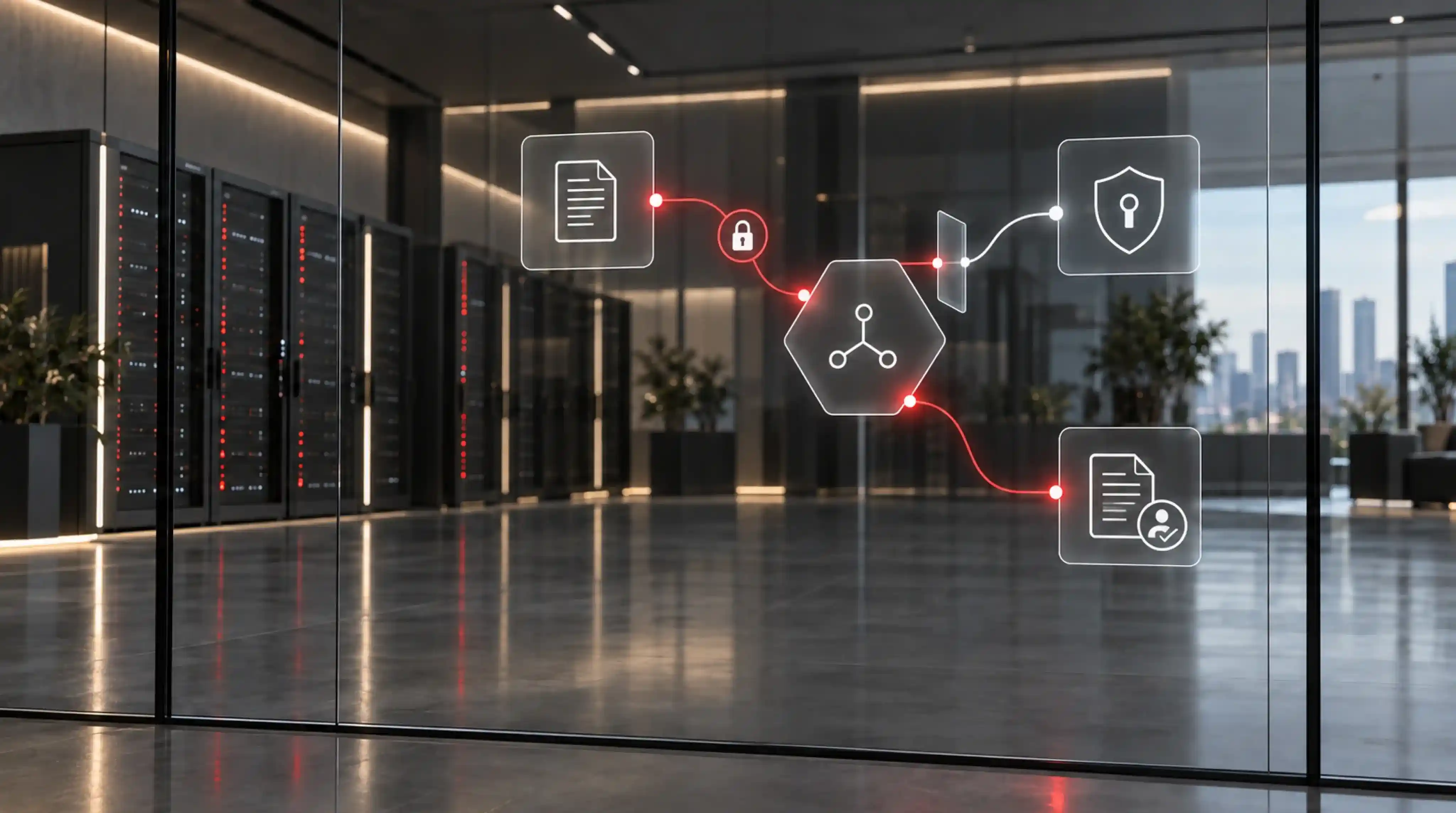
As companies grow online, security must join every main business plan.
Many apps, cloud systems, and data tools grow your digital attack risk. Smart systems and connected tools also make your business networks much wider. At the same time, strict laws and data rules require strong protection. Building customer trust online is also becoming crucial for every market today.
Companies must build strong security throughout their entire growth plan.
This includes:
- Secure application architecture
- Cloud and infrastructure security
- Identity and access management
- Data protection
- API security
- AI security and governance
- Threat detection and response
- Regulatory and compliance requirements
For enterprises these considerations also intersect with broader conversations around digital sovereignty, national digital strategies, and control over critical technology infrastructure.
Security is no longer simply about protecting technology.
It is increasingly about protecting the enterprise’s ability to operate and scale digitally.
4. Scale to Structural Advantage
Transformation creates small value when changes stay inside single isolated departments. The bigger opportunity comes from connecting applications, data processes and intelligence. Connecting all these channels across the enterprise makes scale truly important. Companies need modern tech environments that can support four key pillars:
Speed + integration + intelligence + a very great customer experience.
Modern cloud platforms APIs automation and AI help build connected models. For customer facing companies this means creating smooth digital user experiences. These experiences must remain consistent, contextual and smart across all touchpoints. The main business question shifts from digitizing a single simple process to redesigning the whole operating model for real enterprise growth.
5. Modernize the Foundation Before Scaling Transformation
Big transformation plans often grow much faster than tech foundations. Old software platforms and rigid systems can strictly limit your growth. Technical debt and disconnected tools slow down new company features. Integration issues can also prevent scaling up your business capabilities.
Therefore companies must identify all areas needing modernization very early.
This could involve:
- Application modernization
- Cloud adoption and optimization
- API-led integration
- Microservices and modular architecture
- Platform engineering
- DevSecOps
- Quality engineering
- Technology rationalization
The goal is not necessarily to replace everything.
It is to create an architecture capable of supporting the next generation of enterprise capabilities.
6. Connect Transformation to Business Outcomes
One major challenge in transformation is managing many tech projects. These projects often lack a very clear connection to value. Therefore every major business project must answer one main question.
What business outcome will this create?
Depending on the organization, that could mean:
- Improving operational efficiency
- Accelerating product launches
- Reducing technology complexity
- Improving customer experiences
- Strengthening resilience
- Supporting regulatory requirements
- Enabling new digital business models
- Creating scalable AI capabilities
This shifts transformation from a collection of technology projects into a coordinated business strategy.
7. Build for Continuous Transformation
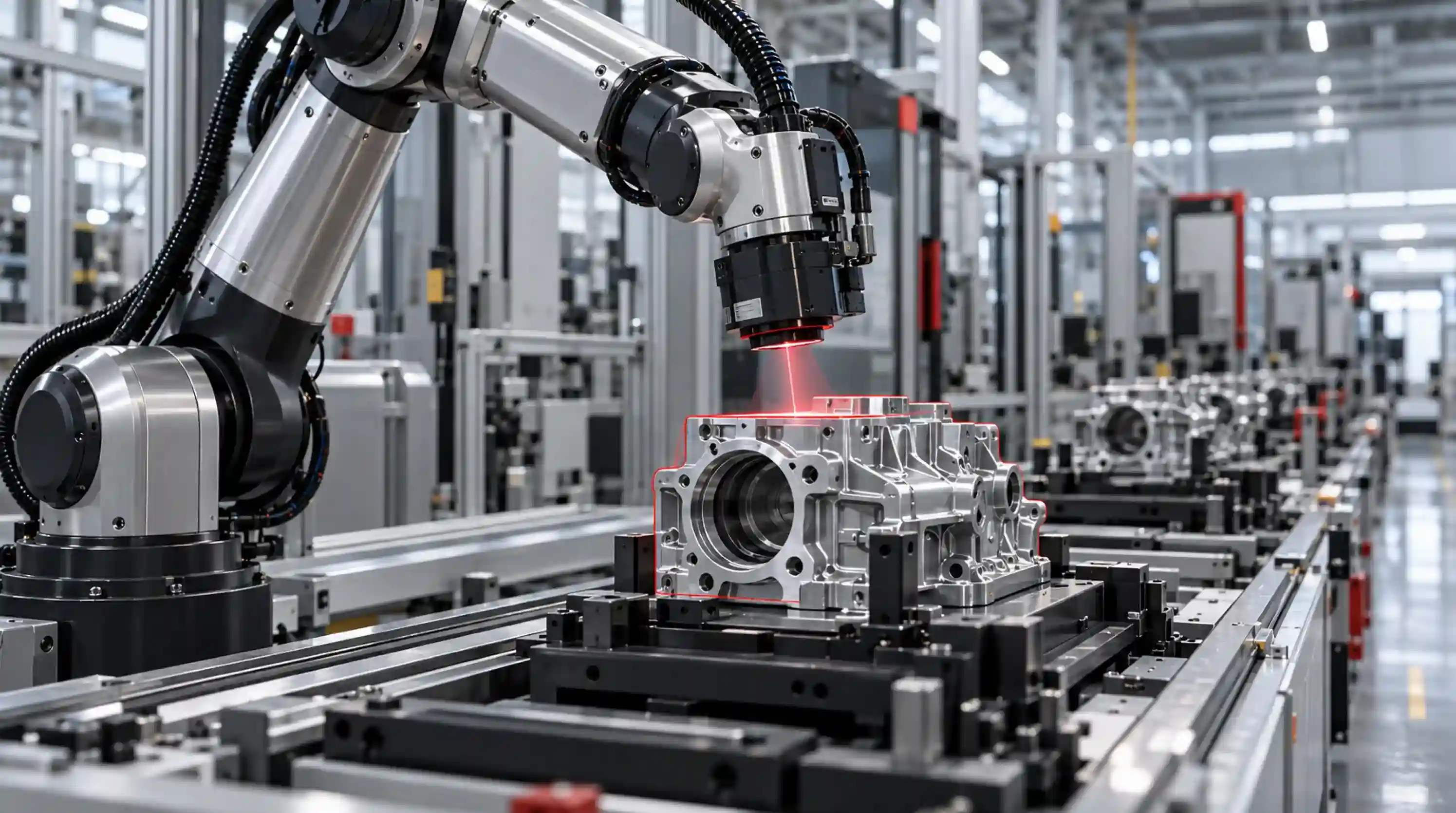
No single starting point applies to every single company today. A bank may prioritize data security and updating its software. A store may focus on shoppers’ sales and smooth operations. A factory may prioritize machine automation and modern cloud tools. Yet across all scenarios the starting point stays the same. You must understand your entire company before making big changes.
First find all areas where critical business data is broken. Next, discover where smart tools bring real and measurable value. Then check all safety risks that might slow your progress. Make sure your technology can handle future business growth easily.
Finally link every single tech project directly to a clear goal. Digital transformation is a continuous process that never truly ends now. Technology, customer expectations, regulations and AI tools keep evolving very fast. A transformation plan that works today may need change tomorrow morning. Therefore companies need operating models that fully support constant progress daily.
That means combining:
Modern architecture + Data foundations + AI capabilities + Cyber resilience + Engineering agility
The main goal is building a company that constantly grows easily. This enterprise can add new features without rebuilding tech foundations repeatedly.
So, What Should Enterprises Prioritize First?
Every company starts its digital journey in a very different way. A bank may focus on safety, software, and organizing data. A store may focus on shoppers, sales, and smooth operations. A factory may focus on machines, modern tools, and cloud systems. Yet all these different businesses must follow the exact same rule. You must understand your entire company well before making big changes.
First, locate all areas where critical business data is completely broken. Next, find where modern technology can bring clear and real value. Then, check all safety risks that might slow down your progress. Also, make sure your technology can support future company growth easily.
Finally, connect every tech project directly to a clear business goal.
The New Digital Order Requires a Different Transformation Mindset
The big world of business technology is now entering a new phase. Today, important information is quickly becoming the main foundation for every business. People now expect smart computer tools to help them with daily work. Strong security is also building total trust with all your main clients. Big company growth depends on how well technology, data, and experiences connect.
For company leaders, the main goal is not just buying more tech. It is building a strong business that uses technology as its core.
That is the shift from small tech projects to full business growth.
Frequently Asked Questions
Q1: What’s the easiest way to mess up a digital transformation right from the start?
Treating transformation like a simple list of cool software tools. Rolling out tools without a clear plan wastes your whole budget. Then you spend extra money fixing broken data issues later.
Q2: Do we really need to upgrade our legacy software before touching AI?
Yes you must upgrade old software systems before using modern AI. Artificial intelligence requires very clean and well organized data to work. Disconnected databases will lead to fast answers using bad information. Using old tools with AI also creates huge cybersecurity safety headaches.
Q3: How do executives know if any of this investment is actually paying off?
Do not measure project completion and measure real business value instead. Check if customer response times dropped and staff saved time daily. Also see if system outages went down across your company operations. If a project lacks clear business metrics, skip it completely now.
Q4: Will we ever reach an end point where the transformation is “done”?
No you will never reach an absolute finish line for transformation. Thinking there is an end goal is the wrong business mindset. Build a modern tech engine that easily updates over time instead. Do not wait ten years to rebuild everything from scratch again.