




How Banks Can Modernize Legacy Systems Without Disrupting Operations
October 28, 2026
Updating an old laptop during work hours is scary. You sit there hoping it doesn’t freeze or crash. Now scale that feeling to millions of daily banking transactions. Banks face strict rules and zero tolerance for system downtime. This creates huge pressure when updating core legacy software systems. Minor updates on rigid frameworks carry massive operational risks daily. In the fastest growing world, delaying in upgrading makes banks fall behind rivals.
A large number of people have doubts about how to move forward without disrupting everyday customer services?
The answer is taking small, smart steps instead of overhauling. Avoid updating everything at once. Instead banks wrap old databases using secure modern API tools.
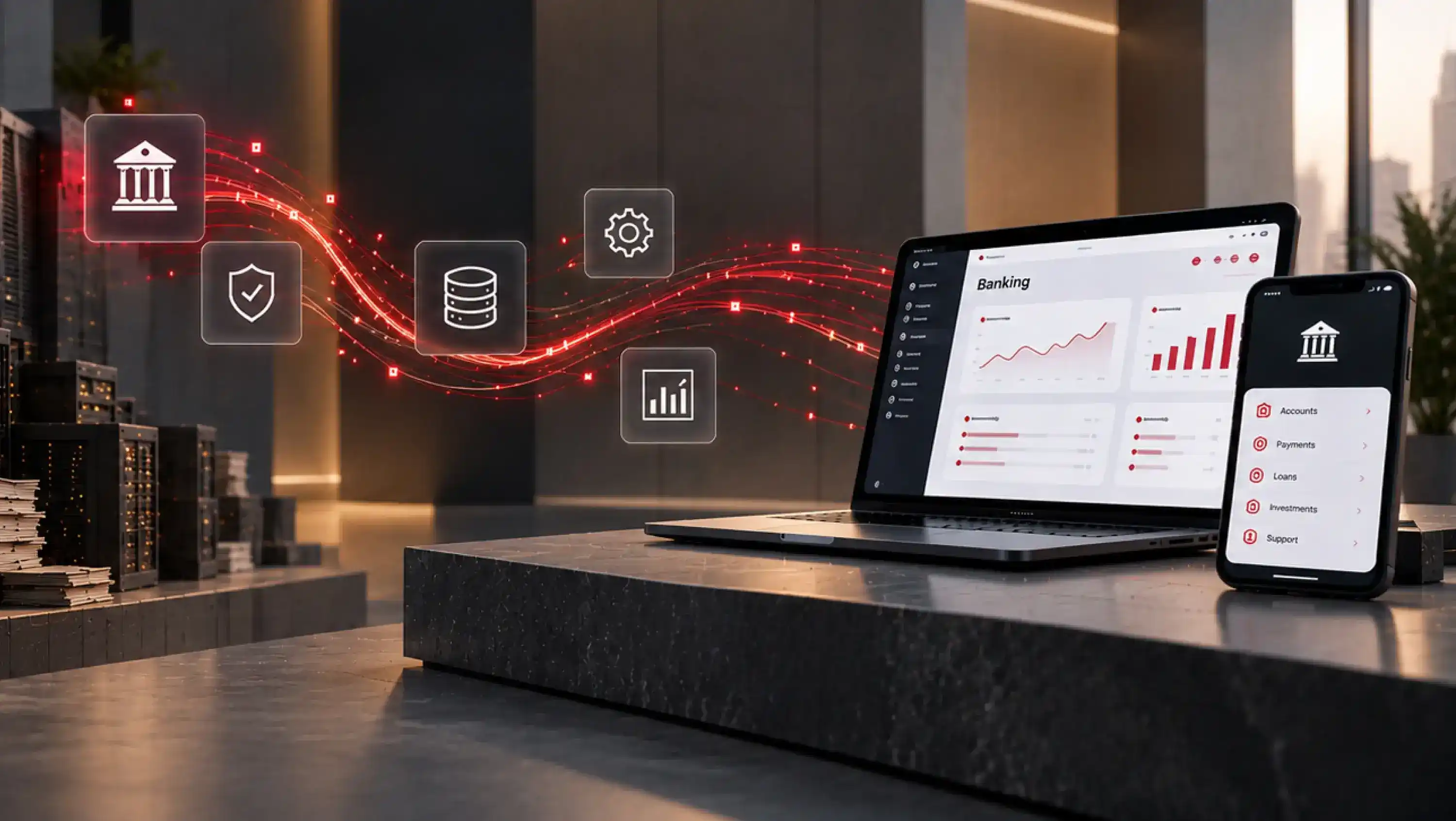
Over time, modern cloud services surround and isolate your legacy engine. This modular strategy protects daily operations from very costly crashes. NeoSOFT helps banks achieve seamless transformation for long-term growth. This approach lets financial institutions expand without disrupting essential services.
Why Upgrading Banking Systems Feels So Dangerous
Old servers process account updates in slow batches behind the scenes. When you force modern apps onto old databases things break fast. Stalled payments and wrong balances can trigger total operational failure. Bank leaders must choose between standing still and risking system chaos.
A safer modular strategy for upgrading old core banking software
Ripping out a full tech stack overnight creates massive financial risks. A safer path involves fixing system components step by step gradually. Build an API bridge between old legacy databases and new apps. This shields core customer files while new tools grab data instantly. Replace one single feature at a time without total system overhauls. You can start with loan forms, fraud monitoring or bill payments. Modern microservices surround the old core making retirement very safe today. Keep information synced live across old and new digital platforms continuously.
How This Works in Real Life
Consider a mid-sized bank struggling with very slow loan approvals. Staff members copied applicant info across three separate software screens daily. That slow manual process stretched decision times to five business days. Instead of replacing core systems they built a modern loan portal. Applications and credit checks were handled online in a few seconds. Final settlement details synced back during off peak hours every night. Approval times dropped to under five minutes without causing system downtime. Specialized tech partners like Neosoft help institutions upgrade very safely. They combine financial experience with modern cloud tools to build APIs. This setup lets banks ship features rapidly without breaking core stability.
Conclusion
Modernizing bank software does not require throwing away proven core infrastructure. It means giving legacy engines modern interfaces and clear gradual paths. Focusing on modular updates gives customers fast tools without service interruptions. Specialized partners like Neosoft help banks achieve this seamless transformation effortlessly.
Frequently Asked Questions
1. What operational dangers do banks face during core system updates?
The major threat is unexpected service interruption during live routine work. System updates can trigger app crashes, transaction delays, and balance errors.
2. What is the typical timeframe for a gradual system migration?
A full core overhaul often spans three to five years total. Taking an incremental approach allows banks to release updates every quarter.
3. How does NeoSOFT prevent downtime while updating legacy core databases?
By engineering custom API gateways and live synchronization data pipelines safely. These tools route traffic, enabling modern apps to run on legacy core.










Recommended