Digital Twins in Action: Simulating Real-World Systems
June 8, 2026
A sneak peek into the future with minimal risks, forecasting the results, and enhancing innovation – A digital twin prototype represents a real-world object, system, or process. Before introducing your products, a digital twin is a physical object updating in real-time with operational data and historical data, allowing a business to predict product performance.
This blog is written for business leaders driving digital transformation, CTOs, CIOs, and IT decision-makers exploring digital twin technology, as well as manufacturing, automotive, and infrastructure professionals. It’s also for organizations that are already developing digital twins as part of their innovation journey.
What Does Digital Twin Mean in Practice?
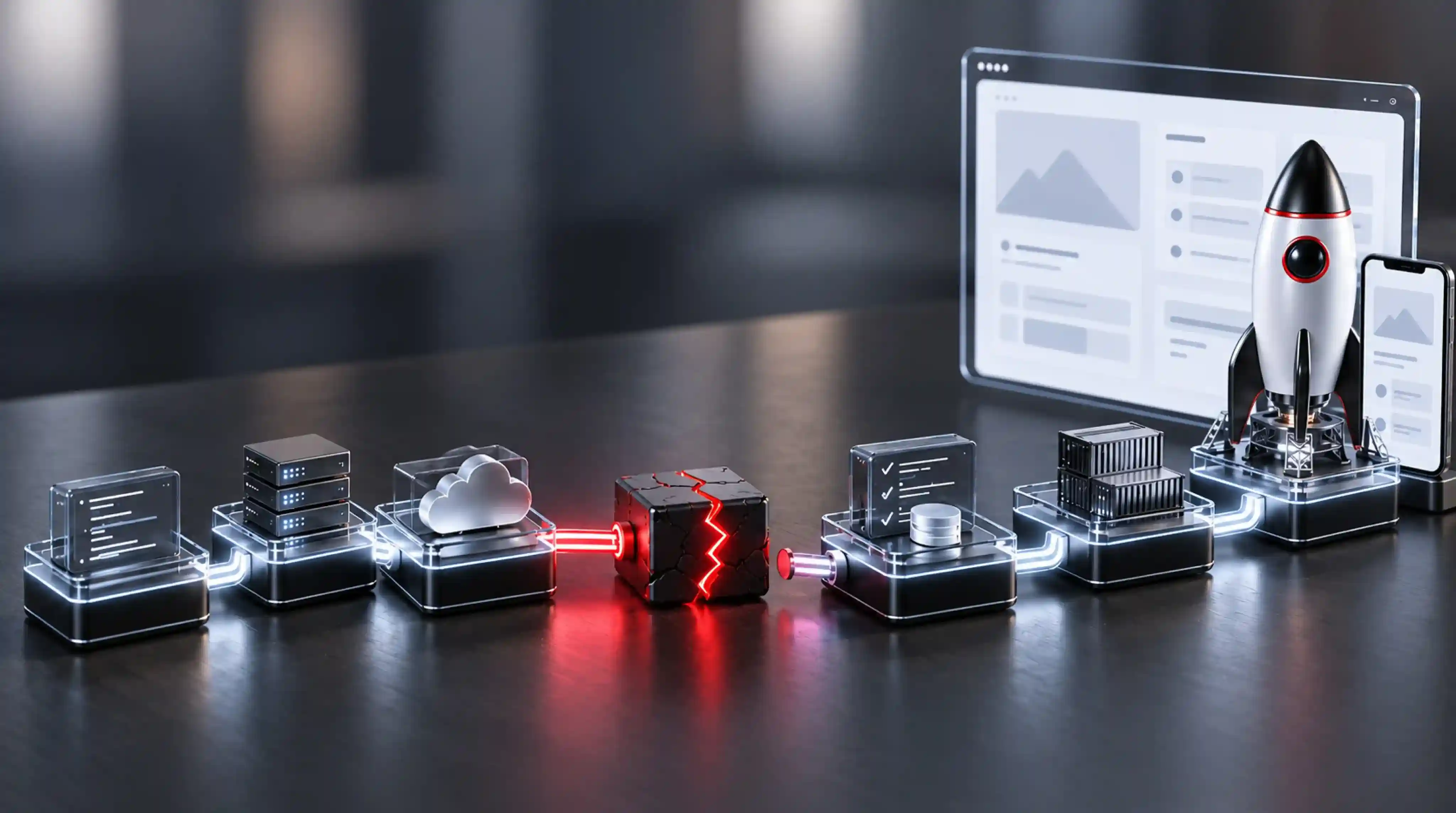
The term ‘digital twin’ describes more than just a copy of a digital model. It refers to changes and growth with its real-life counterpart. Information constantly transfers from the real world to the digital one, thus forming a loop which is sometimes called a digital thread. This thread seamlessly links design, production, operation, and performance data into one unified picture.
A digital twin prototype of a physical product can evaluate performance and test the usage pattern even before the manufacturing phase. After the product is released, that digital replica is used to gather and analyze product performance metrics, enabling predictive maintenance, remote monitoring, and performance optimization.
Simply put, digital twins operate by:
- Gaining sensor data through a physical system
- Utilizing digital technology to manage and relate data
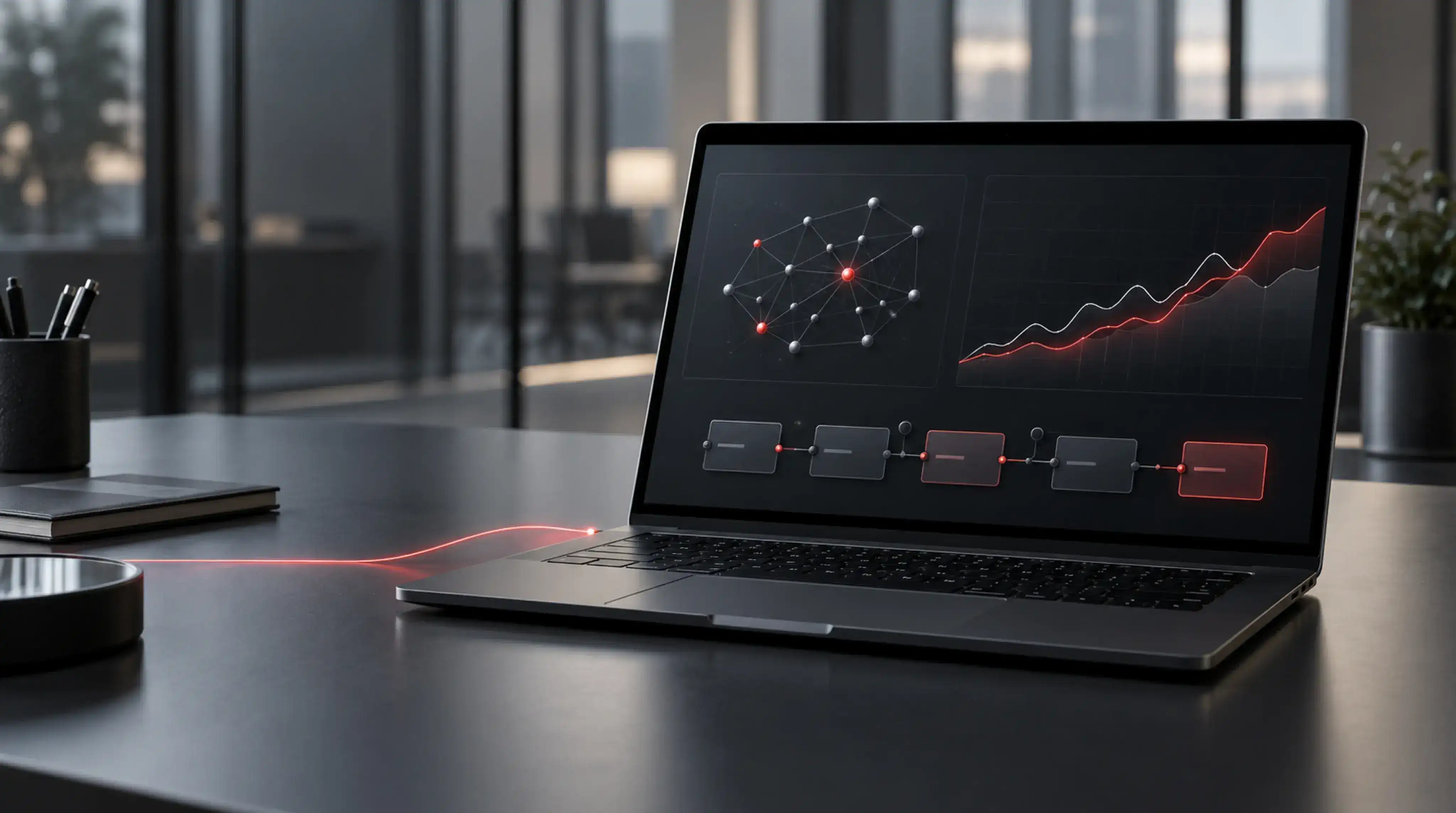
- Employing machine learning and AI for discovering data trends
- Using a VR tool to visualize a virtual environment in a digital space
Types of Digital Twins You Should Know
As digital twin applications grow, several types of digital twins have emerged, each serving a specific purpose:
Product Digital Twins (Unit Twins)
These represent individual physical products or components. Common in the automotive industry and advanced manufacturing, they help improve product quality and design decisions.
Asset Twins
Asset twins are a complete physical asset, such as a machine or a data center. They help with performance enhancements, fault detection, and lifecycle management.
Process Twins
Process twins focus on manufacturing processes, workflows, and supply chain operations. They optimize operations, reduce bottlenecks, and enhance operational efficiency.
System Twins
System twins have two or more components with complex systems such as factories, smart cities, and entire value chains.
Organizations manage multiple digital twins to understand deeper across products, assets, and processes.
Digital Twins in Action Across Industries
Digital twin solutions are transforming industries by enabling smarter decisions and new business models.
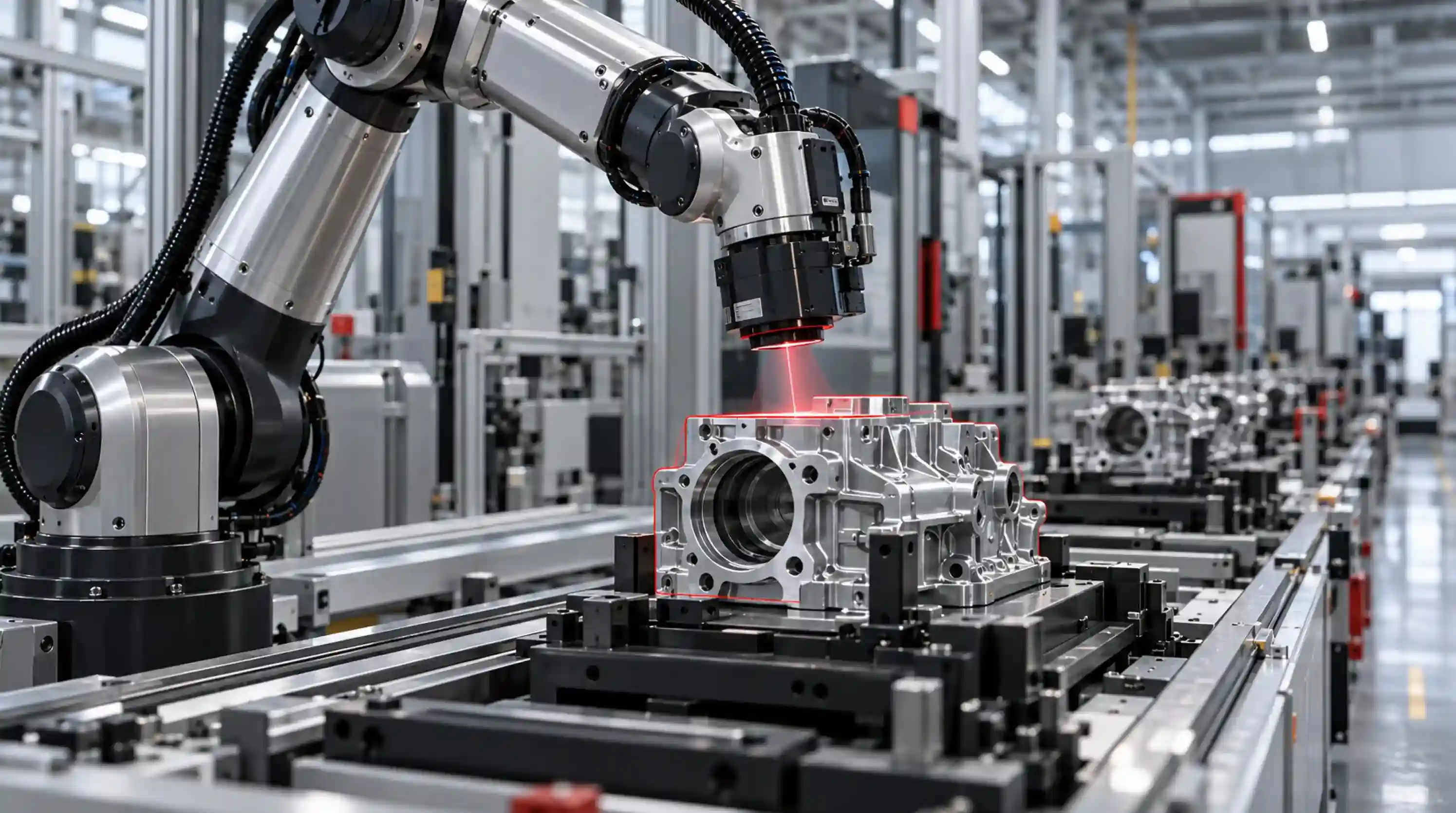
Manufacturing Digital Twins: Manufacturers use digital twin technology on their production lines to perform virtual trials and obtain more productive outcomes. Digital twin technology can also merge CAD models by reducing downtime and increasing production.
Smart Cities and Infrastructure: Digital twins work similarly to real-world systems such as networks, utilities, and buildings. Through them, planners can understand growth, energy consumption, and responses prior to introduction.
Supply Chain and Logistics: Companies using digital twins in the supply chain can locate their assets, foresee the occurrence of disruptions, and manage inventories by integrating the data throughout the ecosystem.
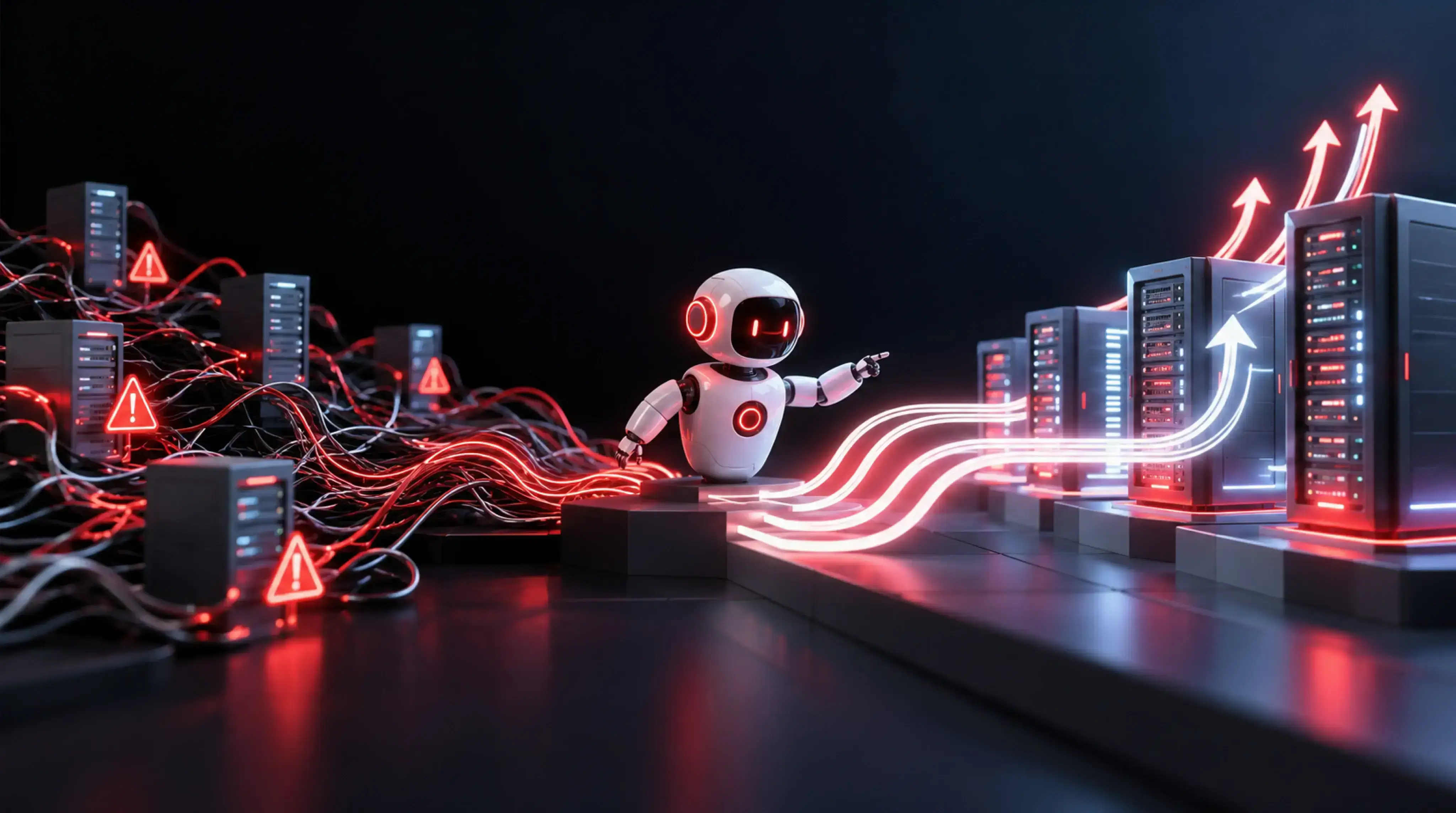
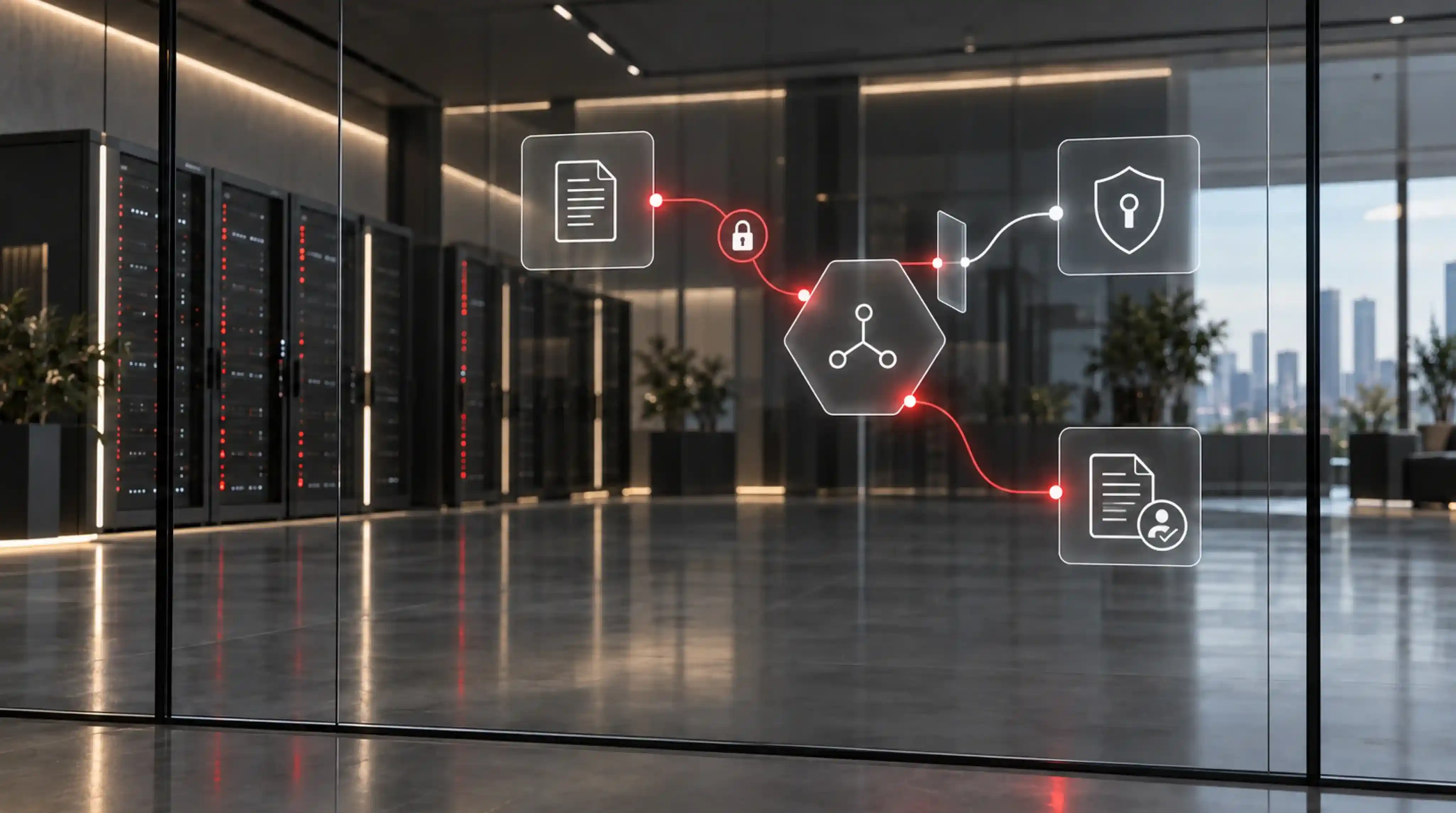
Data Centers and IT Operations: Digital twins can also be used to observe energy consumption, cooling performance, and understand the overall state of a certain IT system, helping to make informed decisions.
How Digital Twins Rely on Data
At the heart of every digital twin project is data. To build digital twins, businesses must take care of:
- Collecting real-time data from sensors and IoT devices.
- Use operational and historical data
- Check data collection and data quality
- Ensure analytics, AI, and machine learning for insights
Businesses must evaluate the virtual twins mirror physical twins flawlessly, creating simulations that reflect real-world behavior.
Conclusion
Digital twins are not only about making a digital copy of a physical product. They actually signify a major transformation in the way organizations relate to the physical world.
Integrating data, systems, and intelligence with digital twins allows businesses to experiment and help envision the future without waiting for it. With VR, AI, and digital technologies changing consistently, digital twins are still a crucial foundation for businesses, turning knowledge into reality.
At NeoSOFT, we help organizations transform these possibilities into a reality. Using AI Analytics and digital systems, we can help scale faster and better. Contact our experts at info@neosofttech.com to discover the right approach tailored to your business goals.
Frequently Asked Questions (FAQs)
What is a digital twin in technology?
A digital twin is a virtual model of a physical object. It updates itself in real time, based on sensor data, to simulate behavior and monitor operations.
What are the four types of digital twins?
Four types of digital twins are:
- Component twins that mirror single parts
- Asset twins that mirror complete units
- System twins that simulate interconnected environments
- Process twins that model entire operations with multiple systems
Is AI used in digital twins?
Yes, AI is part of the digital twin that portrays the physical system. It will help assess predictive tasks and forecast using real-time data.
What are the benefits of Digital Twins?
It can solve issues faster, expose them faster, and guide managers to make data-driven decisions