One Foundation for the Autonomous Enterprise
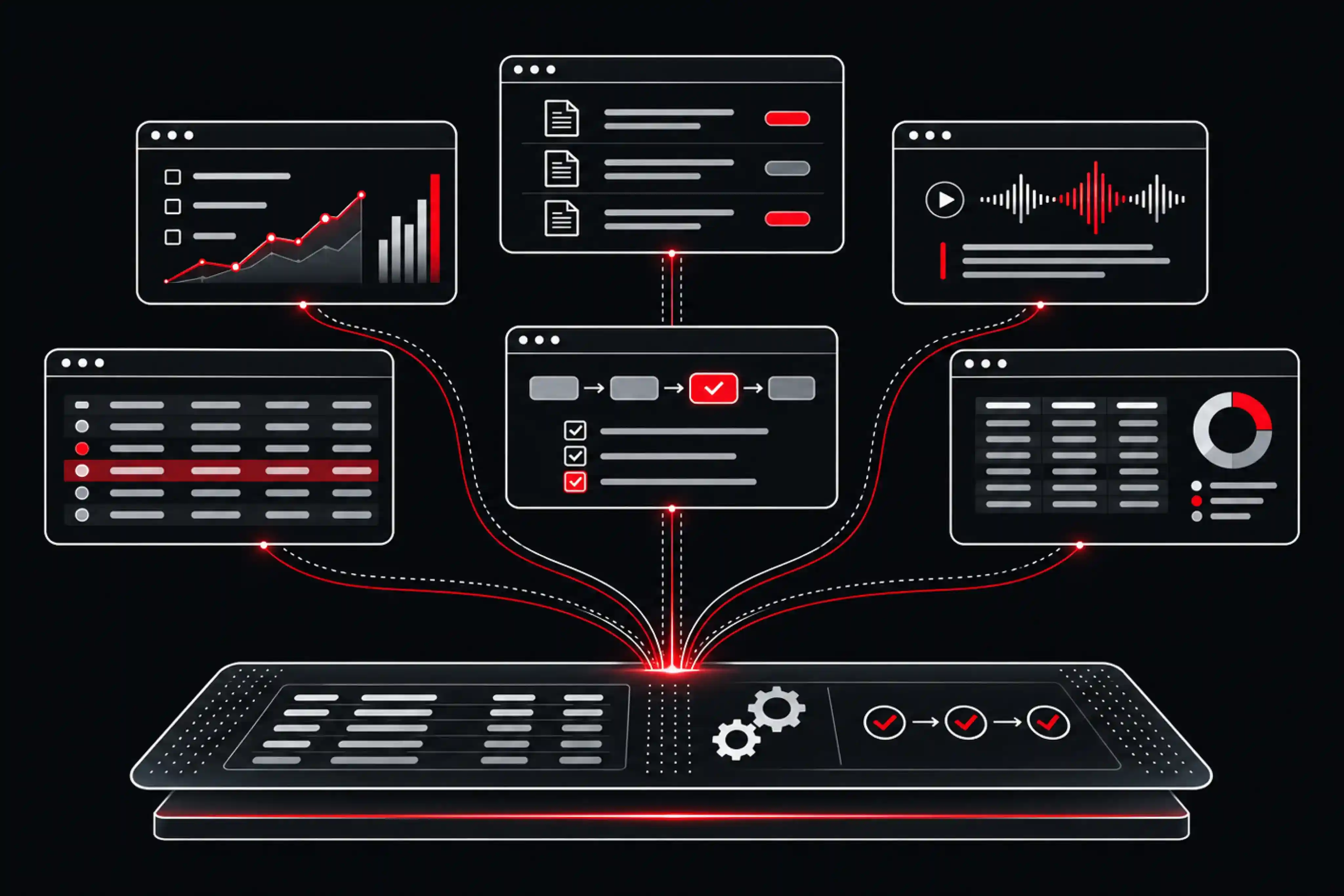
Enterprises have spent decades building systems that capture information. Far fewer have engineered those systems to understand one another. An organization can have powerful ERP, CRM, finance, procurement, document management, and customer support platforms, yet answering a single business question may still require employees to navigate multiple applications, reconcile conflicting records, and manually connect information that already exists.
Consider a multinational enterprise operating across six business-critical systems, each maintaining its own data structures, business definitions, and access mechanisms. Customer records exist in different formats, financial information remains disconnected from service histories, and contractual obligations are buried inside unstructured documents. These gaps become more expensive as enterprises adopt AI. A language model may retrieve an answer in seconds, but it cannot guarantee that the underlying information is complete, consistent, or connected to the right business context.
The real challenge isn’t the volume of enterprise data. It’s the absence of intelligence connecting it. Without validated relationships between customers, contracts, transactions, suppliers, and operational records, even sophisticated AI applications risk producing incomplete recommendations. Adding another AI interface to fragmented systems does not create an intelligent enterprise. It simply makes disconnected information easier to access.
The proposed NeoSOFT engineering approach addresses this challenge at the architectural level. Instead of replacing existing platforms or building another isolated AI application, it establishes a shared intelligence layer using NLP, ontology modeling, knowledge graphs, and governed APIs. The objective is to convert disconnected enterprise information into contextual, traceable knowledge that can support intelligent search, informed decisions, and controlled autonomous workflows.