Digital Twins & IIoT: Building Future-Ready Smart Manufacturing
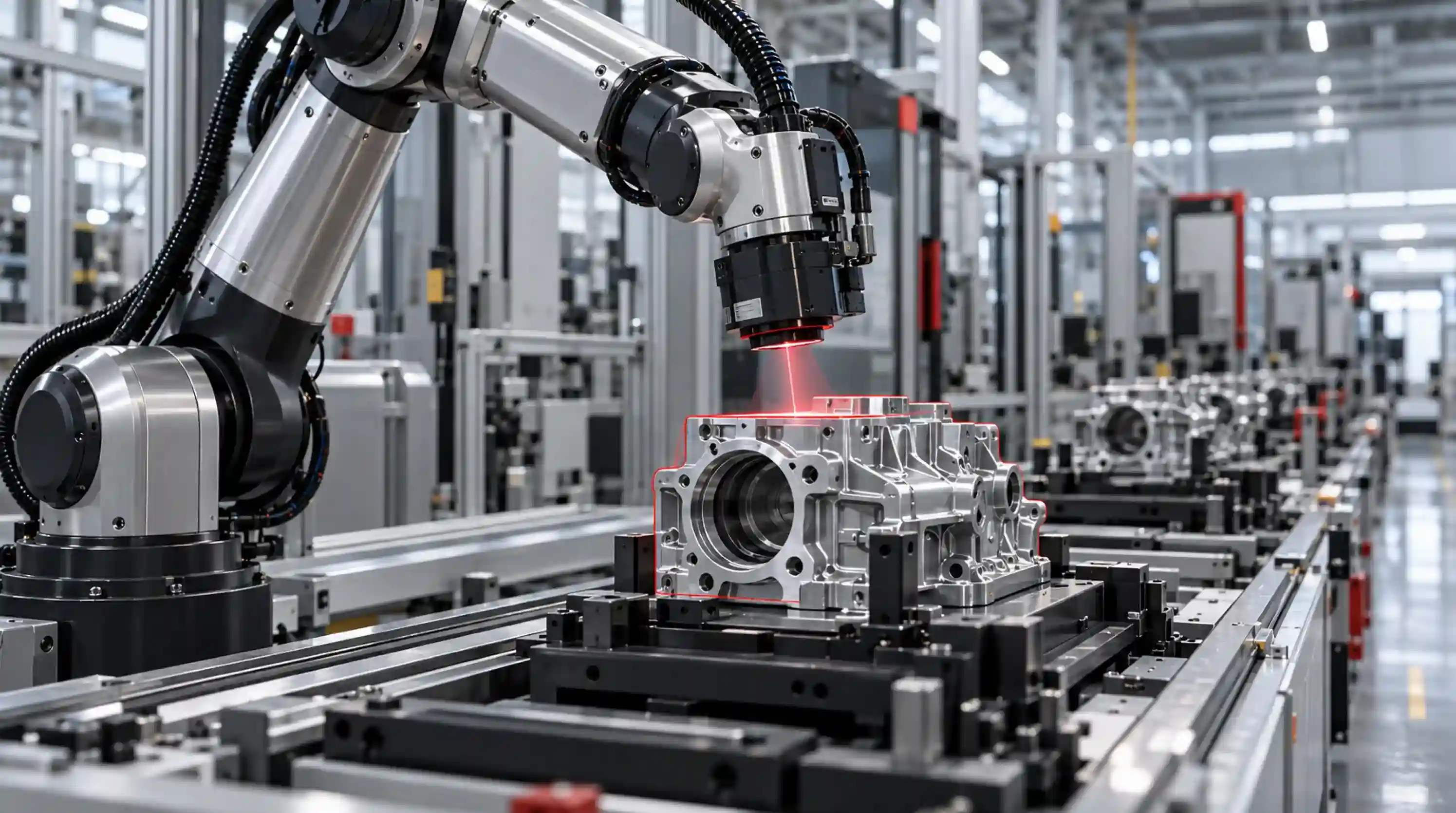
Are unexpected machinery breakdowns, rising production costs, and product quality issues keeping your industrial factory from growing? Traditional manufacturing methods cannot keep up with changing customer needs and sudden supply chain problems today. Implementing smart manufacturing with AI-led digital engineering transforms your factory floor into a connected network that easily solves everyday operational challenges.

Understanding the Simple Shift to Smart Manufacturing

Smart manufacturing uses connected computers and digital tools to build modern production spaces cleanly. Grounded in Industry 4.0, this approach joins physical factory machinery with smart software programs daily. This smart setup boosts total operational efficiency across every single step of factory work.

Instead of depending on manual checks or fixed work schedules, connected systems analyze live data. Technology experts at NeoSOFT help companies set up these systems to run smoothly and reliably. This helps factory operations adjust automatically to sudden changes while improving overall product quality.

Core Drivers of Operational Efficiency (And How NeoSOFT Solves Them)

  • Industrial IoT and Real-Time Data Collection: The Industrial IoT (IIoT) connects shop floor machinery and factory systems into one smooth network. IIoT devices constantly record equipment health, production speeds, and energy consumption. NeoSOFT integrates these smart sensors into legacy infrastructure, removing data silos so managers spot hidden production delays instantly.
  • AI-Driven Predictive Maintenance: Sudden machine failure remains one of the most expensive problems in standard factory production setups. Using artificial intelligence (AI) and machine learning, plants change from fixing broken parts to stopping problems early. We carefully analyze mechanical wear long before equipment breaks down completely. This proactive approach prevents costly operational downtime while protecting critical manufacturing assets for years to come.
  • Automated Quality Control and Scrap Reduction: Manual quality checks can be slow and often suffer from human mistake errors. Using computer vision systems and automated quality control tools allows instant flaw detection directly on active lines. NeoSOFT builds automated visual tools that catch micro-defects at high line speeds, drastically cutting material scrap.
  • Digital Twin Technology for Process Optimization: A digital twin creates an exact digital copy of physical factory machinery and production lines. Operating a digital twin helps engineers test new product setups digitally without stopping real daily work. We develop these virtual models so teams safely optimize workflow efficiency and lower total energy usage.
  • Connected Supply Chain Visibility: Factory efficiency requires clear visibility that goes far beyond the plant floor walls. Connecting factory operations with supply chain analytics keeps inventory aligned directly with daily production speeds. NeoSOFT links plant floor data with enterprise ERP systems, avoiding stockouts and lowering excess buffer inventory.

Step-by-Step Implementation Strategy for Your Factory

  • Evaluate Digital Readiness: Review current factory operations to identify disconnected machines, missing data, and common downtime causes. NeoSOFT conducts complete operational audits to spot hidden data bottlenecks across your shop floor. This detailed review builds a clear, actionable roadmap for your factory’s digital shift.
  • Standardize Data Infrastructure: Build strong digital networks to connect older factory machinery with modern cloud software systems. NeoSOFT designs secure digital setups to link your legacy equipment with cloud tools smoothly. This setup ensures that your factory data flows cleanly across all active departments.
  • Pilot High-Value Use Cases: Test predictive maintenance on one machine line first to prove savings before expanding everywhere. NeoSOFT helps run focused trial projects so teams validate real savings without operational risk. This careful approach builds total project confidence before rolling out tools across all lines.
  • Integrate Enterprise Systems: Connect shop floor IIoT networks into business management software to balance daily planning goals. NeoSOFT links live machinery data with main enterprise tools to sync production with planning. Automated data sharing removes human errors, speeding up order delivery across the supply chain.

Modernize Production Operations with NeoSOFT

Upgrading traditional production lines into modern, data-driven systems needs experienced technical support and smart planning. NeoSOFT builds enterprise digital engineering solutions, IoT integrations, and custom AI tools that streamline operations and deliver strong ROI. Contact NeoSOFT today to review your operational readiness and build a practical roadmap for smart factory success.

Frequently Asked Questions

What is the core difference between traditional automation and smart manufacturing?

Old automation follows repetitive pre-set rules without understanding changes around the factory floor environment. Smart manufacturing uses IIoT sensors, artificial intelligence, and live data to adjust operations automatically and improve continuously.

How does smart manufacturing directly help reduce daily operational expenses?

It lowers costs by avoiding unexpected breakdowns through predictive maintenance and cutting wasted material using automated inspection tools developed by NeoSOFT.

Can modern smart manufacturing solutions integrate smoothly with older factory equipment?

Yes, attaching modern IIoT sensors to older machines lets companies collect useful data without replacing expensive existing equipment.
Digital Twins in Action: Simulating Real-World Systems

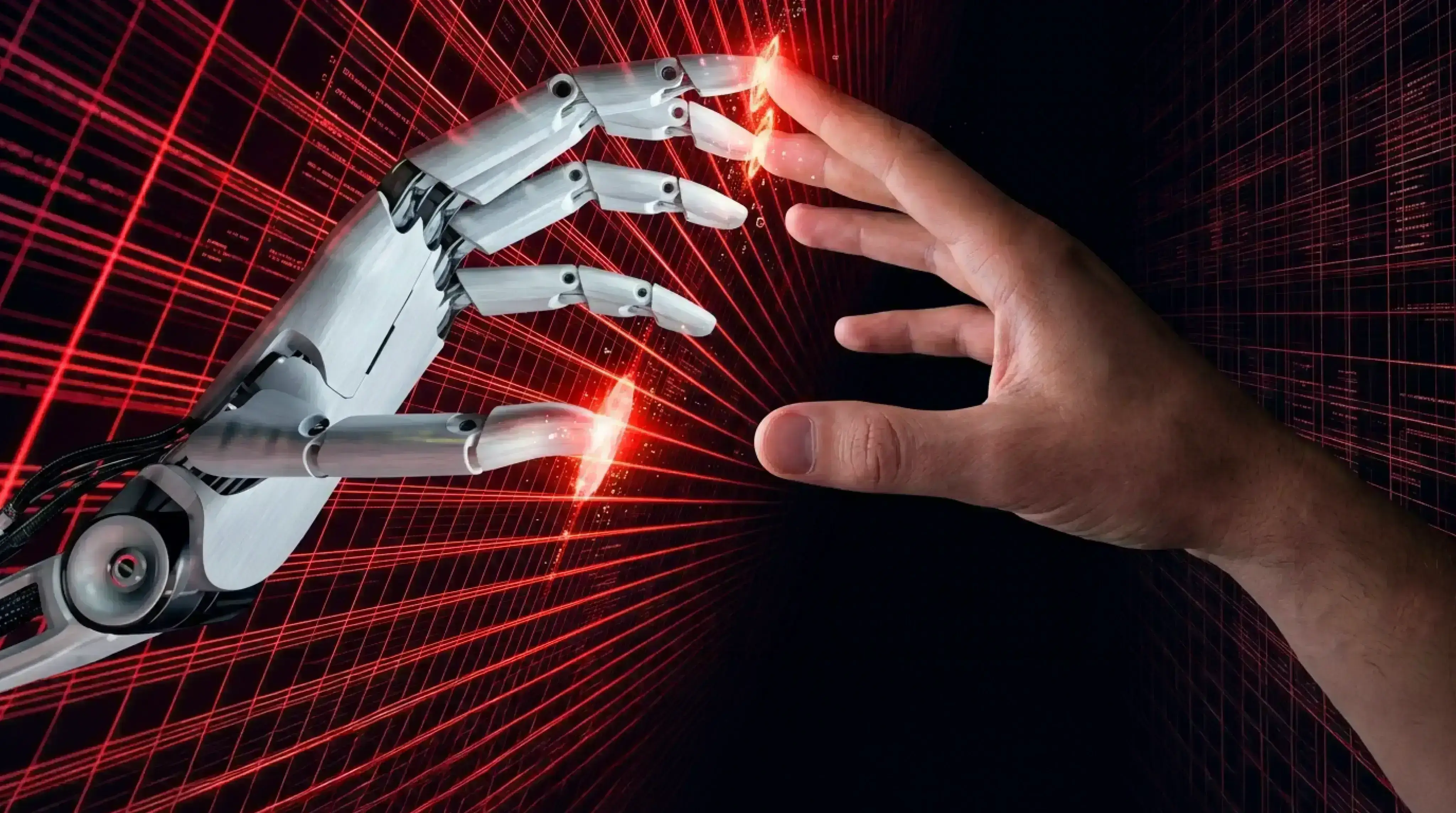
A sneak peek into the future with minimal risks, forecasting the results, and enhancing innovation – A digital twin prototype represents a real-world object, system, or process. Before introducing your products, a digital twin is a physical object updating in real-time with operational data and historical data, allowing a business to predict product performance.

This blog is written for business leaders driving digital transformation, CTOs, CIOs, and IT decision-makers exploring digital twin technology, as well as manufacturing, automotive, and infrastructure professionals. It’s also for organizations that are already developing digital twins as part of their innovation journey.

What Does Digital Twin Mean in Practice?

The term ‘digital twin’ describes more than just a copy of a digital model. It refers to changes and growth with its real-life counterpart. Information constantly transfers from the real world to the digital one, thus forming a loop which is sometimes called a digital thread. This thread seamlessly links design, production, operation, and performance data into one unified picture.

A digital twin prototype of a physical product can evaluate performance and test the usage pattern even before the manufacturing phase. After the product is released, that digital replica is used to gather and analyze product performance metrics, enabling predictive maintenance, remote monitoring, and performance optimization.

Simply put, digital twins operate by:

  • Gaining sensor data through a physical system
  • Utilizing digital technology to manage and relate data
  • Employing machine learning and AI for discovering data trends
  • Using a VR tool to visualize a virtual environment in a digital space

Types of Digital Twins You Should Know

As digital twin applications grow, several types of digital twins have emerged, each serving a specific purpose:

Product Digital Twins (Unit Twins)

These represent individual physical products or components. Common in the automotive industry and advanced manufacturing, they help improve product quality and design decisions.

Asset Twins

Asset twins are a complete physical asset, such as a machine or a data center. They help with performance enhancements, fault detection, and lifecycle management.

Process Twins

Process twins focus on manufacturing processes, workflows, and supply chain operations. They optimize operations, reduce bottlenecks, and enhance operational efficiency.

System Twins

System twins have two or more components with complex systems such as factories, smart cities, and entire value chains.

Organizations manage multiple digital twins to understand deeper across products, assets, and processes.

Digital Twins in Action Across Industries

Digital twin solutions are transforming industries by enabling smarter decisions and new business models.

Manufacturing Digital Twins: Manufacturers use digital twin technology on their production lines to perform virtual trials and obtain more productive outcomes. Digital twin technology can also merge CAD models by reducing downtime and increasing production.

Smart Cities and Infrastructure: Digital twins work similarly to real-world systems such as networks, utilities, and buildings. Through them, planners can understand growth, energy consumption, and responses prior to introduction.

Supply Chain and Logistics: Companies using digital twins in the supply chain can locate their assets, foresee the occurrence of disruptions, and manage inventories by integrating the data throughout the ecosystem.

Data Centers and IT Operations: Digital twins can also be used to observe energy consumption, cooling performance, and understand the overall state of a certain IT system, helping to make informed decisions.

How Digital Twins Rely on Data

At the heart of every digital twin project is data. To build digital twins, businesses must take care of:

  • Collecting real-time data from sensors and IoT devices.
  • Use operational and historical data
  • Check data collection and data quality
  • Ensure analytics, AI, and machine learning for insights

Businesses must evaluate the virtual twins mirror physical twins flawlessly, creating simulations that reflect real-world behavior.

Conclusion

Digital twins are not only about making a digital copy of a physical product. They actually signify a major transformation in the way organizations relate to the physical world.

Integrating data, systems, and intelligence with digital twins allows businesses to experiment and help envision the future without waiting for it. With VR, AI, and digital technologies changing consistently, digital twins are still a crucial foundation for businesses, turning knowledge into reality.

At NeoSOFT, we help organizations transform these possibilities into a reality. Using AI Analytics and digital systems, we can help scale faster and better. Contact our experts at info@neosofttech.com to discover the right approach tailored to your business goals.

Frequently Asked Questions (FAQs)

What is a digital twin in technology?

A digital twin is a virtual model of a physical object. It updates itself in real time, based on sensor data, to simulate behavior and monitor operations.

What are the four types of digital twins?

Four types of digital twins are:

  • Component twins that mirror single parts
  • Asset twins that mirror complete units
  • System twins that simulate interconnected environments
  • Process twins that model entire operations with multiple systems

Is AI used in digital twins?

Yes, AI is part of the digital twin that portrays the physical system. It will help assess predictive tasks and forecast using real-time data.

What are the benefits of Digital Twins?

It can solve issues faster, expose them faster, and guide managers to make data-driven decisions

Posted in IoT